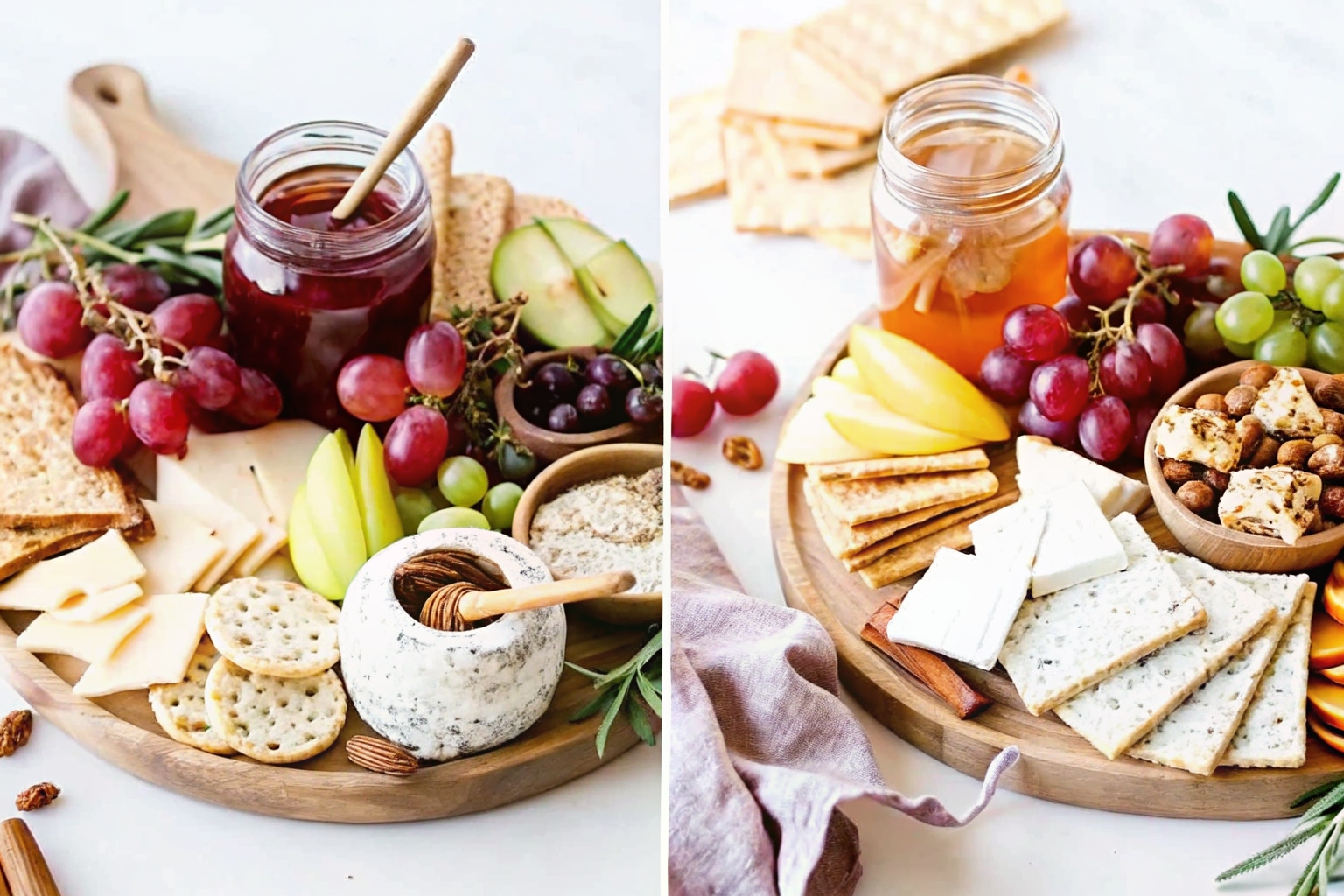
Craft Your Perfect Cheese Board: Essential Ingredients & Pairing Tips
There's an undeniable magic to a well-crafted cheese board. More than just a collection of ingredients, it's a culinary canvas that invites sharing, conversation, and indulgence. Whether you're aiming to impress guests at a grand holiday celebration, enjoy a casual evening with friends, or simply treat yourself to a sophisticated snack, knowing how to make a cheese board that's both beautiful and delicious is a skill worth mastering. This guide will walk you through selecting the finest components, artfully arranging them, and creating harmonious flavor pairings, transforming your spread from simple to spectacular.
Why a Cheese Board is Always a Good Idea
Cheese boards are universally loved for their elegance, versatility, and surprising simplicity. They require no cooking, minimal preparation, and can be effortlessly customized to fit any occasion, dietary preference, or theme. This makes them an invaluable tool for:
- Effortless Entertaining: A stunning cheese board acts as an instant centerpiece, sparking conversation and providing a delightful communal eating experience for any social gathering, from intimate dinners to bustling parties.
- Thoughtful Gifting: Assemble a mini board or curate a collection of ingredients in a decorative box for a unique and delicious edible present.
- Special Celebrations: Elevate birthdays, anniversaries, graduations, or work events with a spread that feels luxurious and celebratory. For more inspiration on adapting your board for various occasions, explore our article on Elevate Any Occasion: The Versatility of a Thoughtful Cheese Board.
- Everyday Indulgence: You don't need a special reason. A small, personal cheese board can transform a quiet evening at home into a moment of pure comfort and sophistication.
- Themed Nights: Pair your board with a movie marathon, a virtual wine tasting, or a book club gathering for an enhanced sensory experience.
The beauty of a cheese board lies in its flexibility; it can be as modest or as elaborate as you desire. It’s one of the easiest ways to leave a lasting impression on your guests without spending hours in the kitchen.
The Core Elements: Crafting Your Cheese Selection
The foundation of any great cheese board is, naturally, the cheese itself. When learning how to make a cheese board that truly shines, variety is paramount. Aim for a mix of textures, milks, and flavor profiles to appeal to all palates. A good rule of thumb is to select 3-5 different cheeses for a diverse and exciting spread.
Consider these categories for a balanced selection:
- Soft & Creamy: These cheeses offer a luxurious, melt-in-your-mouth experience.
- Brie or Camembert: Classic soft-ripened cheeses with earthy, buttery notes.
- Fresh Goat Cheese (Chèvre): Tangy, crumbly, and wonderfully fresh, often enhanced with herbs.
- Fromage d'Affinois: An extra-creamy, decadent option.
- Firm & Nutty: These provide structure, a satisfying chew, and often deeper, more savory flavors.
- Aged White Cheddar: Sharp, robust, and familiar.
- Manchego: A Spanish sheep's milk cheese, firm with a buttery, slightly nutty flavor.
- Gouda: Can range from young and mild to aged and crystalline, offering caramel notes.
- Aged & Pungent (Optional, for Adventurous Palates): These cheeses bring boldness and complexity.
- Blue Cheese (Gorgonzola, Roquefort, Stilton): Distinctive, often salty, and creamy with characteristic blue veins.
- Parmigiano-Reggiano: A hard, crystalline cheese with deep umami and nutty flavors.
Tip: Bring your cheeses to room temperature about 30-60 minutes before serving. This allows their full flavors and aromas to develop.
Beyond Cheese: Essential Accompaniments for Balance and Flavor
While cheese is the star, the supporting cast of accompaniments is crucial for building a truly exceptional cheese board. These elements add contrasting textures, complementary flavors, and vibrant colors.
Carriers: The Perfect Vehicle
- Crackers: Offer a variety! Think multigrain, plain water crackers, artisanal flatbread crisps, or seed-based options.
- Bread: Sliced baguette, rustic bread, or crispy crostini provide heartier bites and a different texture.
Fresh & Dried Fruits: Sweetness, Acidity, and Color
- Fresh Fruits: Sliced apples or pears (toss in a little lemon juice to prevent browning), vibrant grapes (mix red, green, or even cotton candy varieties), and fresh berries add freshness and a touch of sweetness.
- Dried Fruits: Dried apricots, figs, or dates offer concentrated sweetness and a delightful chewy texture, pairing beautifully with many cheeses.
Savory Delights: Tang, Crunch, and Umami
- Olives: A small bowl of Kalamata, Castelvetrano, or a mixed olive medley provides a briny, salty counterpoint.
- Nuts: Marcona almonds, smoked almonds, pecans, or walnuts add a satisfying crunch and nutty flavor.
- Cured Meats (Charcuterie): For a combined cheese and charcuterie board, thin slices of prosciutto, salami, or soppressata are excellent additions.
- Pickled Vegetables: Cornichons, pickled onions, or even pickled beets introduce a tangy, acidic element that cuts through rich cheeses.
- Roasted Chickpeas: For an unexpected crunch and protein boost.
Sweet Spreads & Luxurious Bites: Elevating the Experience
- Jams & Preserves: Fig jam, tart cherry jam, or a gourmet fruit spread adds a tangy-sweet contrast.
- Honey: A drizzle of honey (especially local wildflower or acacia) is sublime with goat cheese, blue cheese, or creamy brie.
- Dark Chocolate: A few squares of high-quality dark chocolate offer a sophisticated sweet finish, pairing surprisingly well with some aged cheeses.
The Artful Assembly: How to Make a Cheese Board That Dazzles
Once you have your ingredients, the next step in learning how to make a cheese board is arranging them beautifully. Think of your board as a canvas – you want it to look abundant, inviting, and visually appealing. For more insights on presentation, check out Master the Art of Cheese Boards: Impress Guests with Flavor & Flair.
- Start with the Cheeses: Place your cheeses first, spreading them out to create focal points. Leave some whole, slice some, or crumble others for visual interest.
- Add Bowls and Larger Items: Position small bowls for olives, jams, or honey. Arrange larger items like cured meats (draped elegantly) or bread slices around the cheeses.
- Fan Out Crackers: Arrange crackers and bread in fan shapes or artful stacks around the board.
- Fill in the Gaps with Fruits and Nuts: This is where your board comes alive. Scatter grapes, berries, nuts, and dried fruits into any empty spaces, creating an abundant, overflowing look. Don't be afraid to overlap ingredients slightly.
- Garnish for Elegance: Tuck fresh sprigs of rosemary or thyme between cheeses or around fruits for an aromatic and elegant touch. Edible flowers can add a pop of color and sophistication.
Pro Tip: Don't overcrowd the entire board with a single item. Create clusters and flows that guide the eye and invite guests to explore.
Thoughtful Pairings: A Symphony of Flavors
While personal preference is key, some pairings are classics for a reason. The goal is to create balance and contrast:
- Goat Cheese & Honey: The tang of chèvre beautifully balances the sweetness of honey.
- Brie & Fig Jam: Creamy, buttery brie finds a perfect partner in the rich, sweet earthiness of fig jam.
- Cheddar & Apple: The crisp, slightly tart apple complements the sharp, savory notes of cheddar.
- Blue Cheese & Pears/Walnuts: The sweetness of pear and the bitterness of walnuts mellow the strong flavor of blue cheese.
- Prosciutto & Melon: A classic Italian pairing, the salty meat and sweet fruit are a match made in heaven.
Customizing Your Cheese Board
The beauty of learning how to make a cheese board is its adaptability. Feel free to customize it to suit your preferences:
- Seasonal Themes: In summer, lean into fresh berries, peaches, and lighter cheeses. In fall, emphasize figs, apples, nuts, and heartier aged cheeses.
- Dietary Needs: Easily accommodate gluten-free guests with GF crackers, offer nut-free options, or create an entirely vegetarian or vegan board.
- Theme Nights: Pair a French cheese board with French wines, or an Italian board with Italian meats and olives.
Conclusion
Crafting the perfect cheese board is truly an art, but one that is accessible to everyone. By understanding the balance of flavors and textures, selecting quality ingredients, and paying attention to presentation, you can confidently create a spread that delights the senses and encourages conviviality. So, gather your favorite cheeses and accompaniments, unleash your creativity, and enjoy the delicious journey of learning how to make a cheese board that truly reflects your unique taste and style. Happy grazing!
