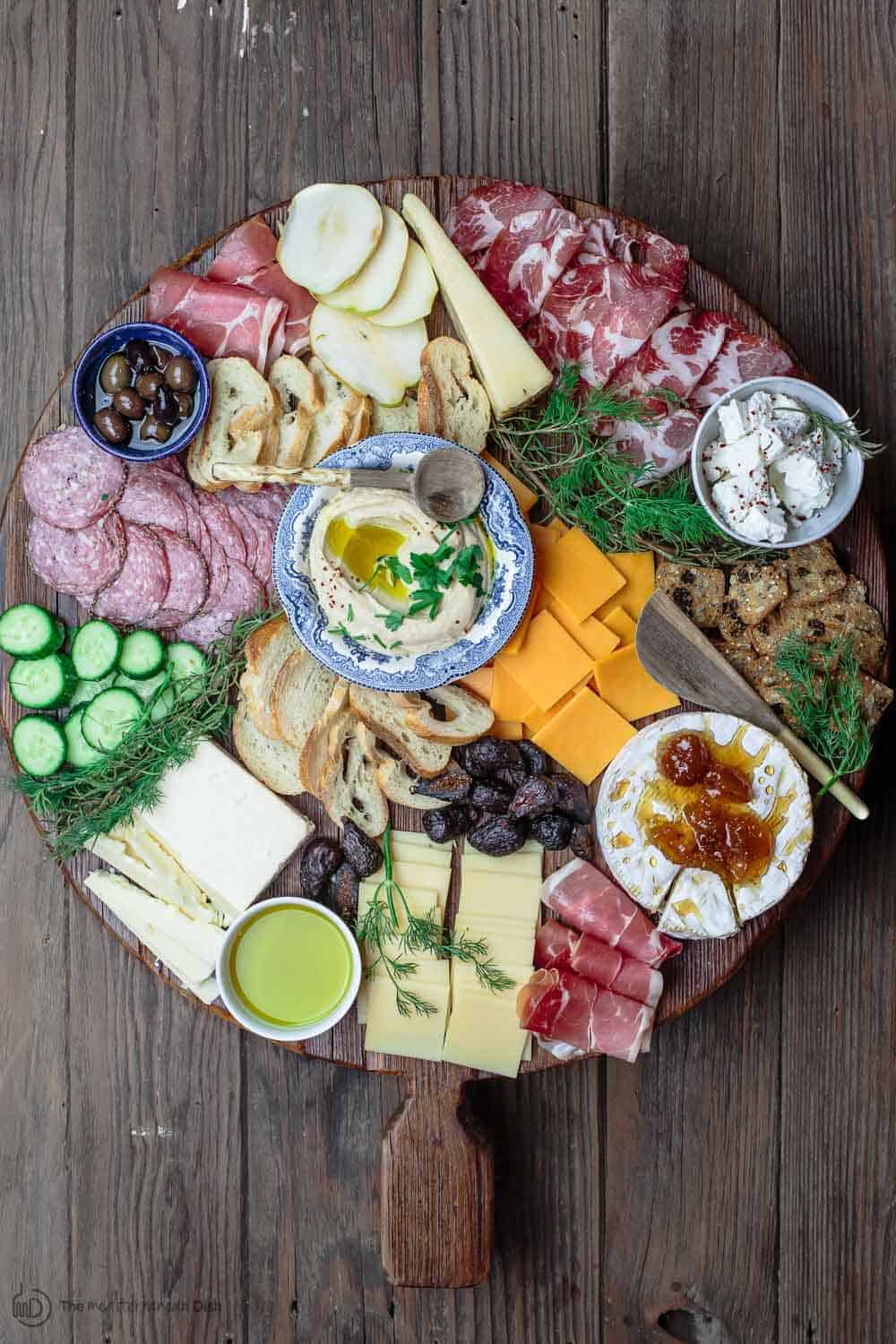
Master the Art of Cheese Boards: Impress Guests with Flavor & Flair
Creating a truly stunning and delicious cheese board is far more than simply arranging a few blocks of cheese on a platter; it's an art form that transforms simple ingredients into a feast for the senses. Whether you're orchestrating an elegant holiday gathering, a laid-back weekend get-together, or a cozy wine-and-cheese evening for two, a thoughtfully curated cheese board possesses the power to elevate any occasion. It's a symphony of flavors, textures, and colors designed to spark conversation, encourage sharing, and indulge the palate.
This comprehensive guide will demystify the process of how to make a cheese board that captivates both visually and gastronomically. We'll delve into selecting the finest components, mastering the art of arrangement, understanding crucial flavor pairings, and customizing your board to perfectly suit any theme, season, or dietary preference. Prepare to impress your guests and discover the joy of crafting your own edible masterpiece.
Why Cheese Boards are the Ultimate Entertaining Solution
The enduring popularity of cheese boards isn't just a trend; it's a testament to their unparalleled versatility, inherent elegance, and surprising simplicity. They stand out as a hostess's secret weapon, requiring no cooking and minimal prep time, yet delivering maximum impact. This makes them ideal for an astonishing array of scenarios:
- Effortless Entertaining: Whether serving as the magnificent centerpiece for a grand celebration or a charming focal point for an intimate gathering, cheese boards invite guests to gather, graze, and connect.
- Thoughtful Gifting: Assemble a mini board in a decorative box or on a small cutting board for a unique, edible gift that speaks volumes.
- Memorable Celebrations: From birthdays and anniversaries to festive holidays or professional milestones, a cheese board adds a touch of sophistication and celebratory flair.
- Everyday Indulgence: Don't reserve them just for special occasions! A small, personalized cheese board can transform a quiet evening at home into a moment of luxurious self-care.
- Themed Nights: Pair a tailored board with a movie marathon, a virtual wine tasting, or a book club discussion to enhance the experience.
A cheese board adapts effortlessly to your needs, scaling from a quick snack to an elaborate, overflowing spread. It's truly one of the simplest and most effective ways to wow your guests without spending hours slaving away in the kitchen. For more inspiration on adapting your board to any event, explore Elevate Any Occasion: The Versatility of a Thoughtful Cheese Board.
The Foundation: Selecting Your Star Ingredients
The secret to an exceptional cheese board lies in thoughtful ingredient selection. Aim for a harmonious blend of flavors, textures, and colors. Here’s a breakdown of the essential components for a balanced and eye-catching spread:
The Cheeses: A Trio of Textures and Tastes
Variety is key! Aim for 3-5 different cheeses to offer a spectrum of experiences. Consider the "3-3-3-3 rule" (three cheeses, three savory, three sweet, three crunch) as a starting point. When choosing cheeses, think about:
- Soft-Ripened: Creamy, spreadable cheeses like Brie, Camembert, or Chèvre (goat cheese). These offer a luxurious, melt-in-your-mouth texture.
- Semi-Hard: Versatile and often crowd-pleasing options such as aged White Cheddar, Gouda, Gruyère, or Monterey Jack. These provide a firmer bite without being crumbly.
- Hard/Aged: Crumbly, nutty, and often intensely flavored cheeses like Parmesan Reggiano, aged Manchego, or Pecorino Romano. They add a sophisticated edge and excellent textural contrast.
- Blue (Optional but Recommended): For those who love a pungent kick, a Gorgonzola, Roquefort, or Stilton can be a bold and exciting addition.
Pro Tip: Allow your cheeses to come to room temperature for at least 30-60 minutes before serving. This unlocks their full flavor and creamy texture.
Beyond Cheese: Essential Accompaniments
These elements provide contrast, cleanse the palate, and enhance the cheese experience. For a deeper dive into pairing, check out Craft Your Perfect Cheese Board: Essential Ingredients & Pairing Tips.
- Crackers & Breads: Offer a variety of textures and mild flavors that won't overpower the cheese. Think multigrain crackers, seed-based crisps, plain water crackers, artisanal flatbreads, or even toasted baguette slices (crostini). Include gluten-free options if needed.
- Fresh Fruit: Apples (thinly sliced, tossed in lemon juice to prevent browning), pears, grapes (mix red, green, cotton candy varieties for visual appeal), berries. They add freshness, sweetness, and vibrant color.
- Dried Fruit: Apricots, figs, dates, or dried cherries provide concentrated sweetness and a chewy texture, pairing wonderfully with many cheeses.
- Savory Bites:
- Olives: A small bowl of Kalamata, Castelvetrano, or a mixed olive medley adds a briny, salty counterpoint.
- Nuts: Marcona almonds, smoked almonds, walnuts, or pecans offer a satisfying crunch and earthy flavor.
- Cured Meats (Charcuterie): If creating a combined cheese and charcuterie board, consider salami, prosciutto, soppressata, or mortadella. Arrange them elegantly in folds or rolls.
- Pickled Vegetables: Cornichons, pickled onions, or even pickled beets introduce a tangy, acidic element that cuts through the richness of the cheese.
- Sweet Enhancements:
- Jams & Preserves: Fig jam, tart cherry jam, or a spicy pepper jelly provides a delightful sweet-tart balance.
- Honey: A drizzle of local honey, especially delicious with goat cheese, brie, or blue cheese, adds natural sweetness and a beautiful sheen.
- Dark Chocolate: A few squares or shards of high-quality dark chocolate offer a surprising, luxurious pairing, especially with aged cheeses or reds.
- Garnishes: Fresh herbs like rosemary or thyme sprigs not only add an aromatic touch but also enhance the visual appeal, making your board look lush and complete. Edible flowers can add an extra pop of color and elegance.
The Art of Arrangement: Crafting a Visually Stunning Board
Once you have your ingredients, the magic truly happens in the arrangement. Think of your board as a canvas, and your ingredients as paint. The goal is an abundant, inviting spread that begs to be explored.
- Start with the Stars: Cheeses. Place your cheeses first, spreading them out to create anchors for your design. Cut some into wedges, slices, or cubes, and leave others whole for visual interest.
- Add Bowls and Larger Items. Position any small bowls for olives, jams, or honey. If using a baguette, place it alongside the cheeses.
- Fan Out Your Crackers. Arrange crackers and bread in fan shapes or artful stacks around the cheeses. Don't be afraid to tuck some underneath or on their sides.
- Drape the Meats. If using cured meats, fold or roll them creatively. Think S-curves for prosciutto or ruffled piles for salami.
- Fill in with Fruits. Scatter fresh and dried fruits around the cheeses and meats. Create small piles or trails of grapes.
- Scatter Nuts and Small Bites. Fill in any remaining gaps with nuts, smaller berries, or chocolate pieces. This creates a sense of abundance and prevents the board from looking sparse.
- Garnish for Flair. Finally, tuck fresh herb sprigs (rosemary, thyme) and edible flowers (if using) into gaps for a professional, aromatic finish.
Key Principles for Arrangement:
- Abundance: A full board looks more inviting. Don't be afraid to let items touch or overlap slightly.
- Variety: Ensure different colors, shapes, and textures are distributed evenly across the board.
- Flow: Create natural pathways with your ingredients, guiding the eye across the board.
- Contrast: Place light items next to dark, smooth next to textured, to make each element pop.
Tips for Success & Customization
- Consider Serving Size: A good rule of thumb is 3-5 ounces of cheese per person if it's the main attraction, or 1-2 ounces if it's an appetizer among others.
- Provide Utensils: Offer a separate knife or spreader for each cheese to prevent flavor transfer. Small tongs or spoons for olives and jams are also helpful.
- Label Your Cheeses: For more elaborate boards, small labels can help guests identify what they're eating, especially with unique or artisan cheeses.
- Seasonal Themes:
- Summer: Focus on fresh berries, peaches, bright herbs, and lighter cheeses like goat cheese.
- Autumn: Emphasize figs, apples, pears, walnuts, pumpkin seeds, and heartier cheeses like aged cheddar or smoked Gouda.
- Winter/Holidays: Incorporate cranberries, pomegranates, spiced nuts, dark chocolate, and rich blue cheeses or baked brie.
- Dietary Adaptations:
- Gluten-Free: Offer a dedicated section of gluten-free crackers and be mindful of cross-contamination.
- Vegan: Substitute dairy cheeses with plant-based alternatives (cashew cheese, almond cheese), and ensure all other accompaniments are vegan-friendly.
- Nut-Free: Opt for seeds (sunflower, pumpkin) or dried fruit as crunchy alternatives.
Conclusion
Crafting an impressive cheese board is a delightful journey that blends culinary creativity with artistic presentation. By understanding the interplay of flavors, textures, and colors, and by following these practical steps, you can confidently assemble a board that not only looks spectacular but also offers an unforgettable tasting experience. It's about encouraging connection, celebrating good food, and making every gathering feel a little more special. So, gather your ingredients, unleash your inner artist, and prepare to master the art of the cheese board, leaving your guests utterly impressed with your flavor and flair.
